Wachturm Wp 7/16
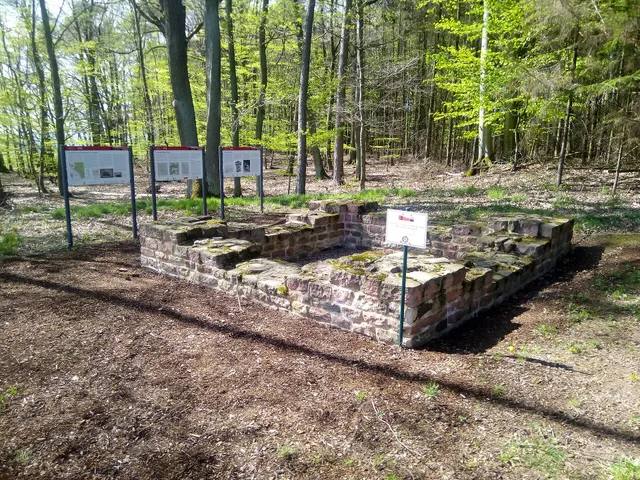
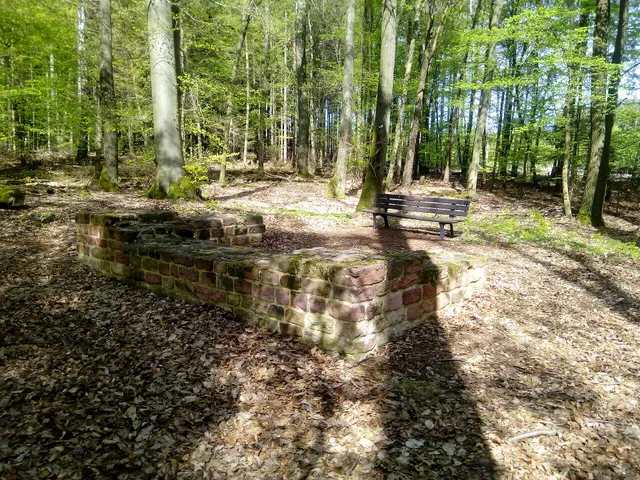
A watchtower on Roman Limes stretch 7, established when the frontier advanced around 159/160 AD and abandoned around 233/235.
Watchtower Wp 7/16 belonged to the securing line of the Outer Limes between the Miltenberg-Ost fort and the Haselburg fortlet. No findings specific to it survive; the tower can be placed through the history of the frontier stretch as a whole.
Source: Wikipedia
At a Glance
- Location
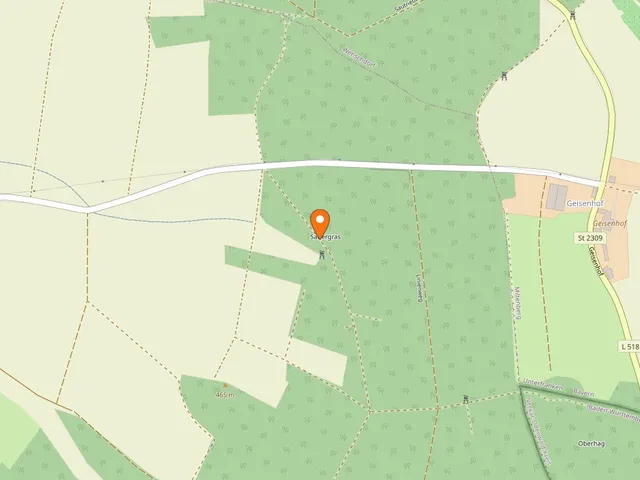
- Limes stretch 7 between the Miltenberg-Ost fort and the Haselburg fortlet
- Historical framework
- eastward advance of the frontier under Emperor Antoninus Pius (138–161)
- Establishment
- archaeologically dated to around 159/160 AD
- End
- overrun around 233/235 AD during the first major Alamanni invasion
- World Heritage
- part of the UNESCO Upper Germanic-Rhaetian Limes
- Protection
- ground monument under the Bavarian Monument Protection Act
Origins
The Outer Limes came into being when the Romans pushed their frontier eastward under Antoninus Pius. The establishment of this line – and thus of the watchtowers of stretch 7 – is archaeologically secured to around 159/160 AD.
Placement within the Limes
Wp 7/16 was one of several guard posts on the stretch that branched off south from the Main line at the Miltenberg-Ost fort toward Walldürn. Its designation follows the numbering system of the Imperial Limes Commission.
The end of the frontier line
Around 233/235 AD the Upper Germanic-Rhaetian Limes was overrun on a broad front during the first major Alamanni invasion and subsequently abandoned. This also ended the use of the watchtowers along this stretch. Today the site is a ground monument under the Bavarian Monument Protection Act.
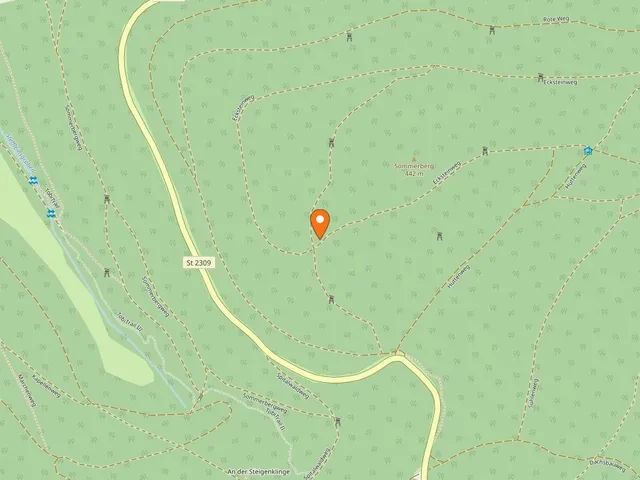
Map
Blue dots: other places nearby — tap to explore.
You might also like — related or nearby
Comments
- Loading comments…
Sources & links
- openstreetmap.org (retrieved 2026-07-13)
- Wikipedia (retrieved 2026-07-14)
Auto-generated, last verified: 2026-07-14
How this page is made
This page draws on open sources — Wikipedia, Wikidata, official websites and the city’s open data. Every statement is checked against the sources linked here, and pages are refreshed regularly.
Spotted a mistake anyway? Tell us below — we read every submission.