Honnen Chapel (St. Cruxis Chapel)
Born from a vow made during Wachtendonk's town fire of 1708, this Neo-Gothic brick chapel still stands in rural Rüttendorf today.
since 1857
St. Cruxis Chapel – popularly called the "Honnen Chapel" after the neighbouring Honnenhof farm – is a small place of worship in the Rüttendorf district of Wachtendonk. Its roots reach back to the great town fire of 1708, out of whose distress a married couple pledged to build it.
At a Glance
- Official name
- St. Cruxis Chapel (Chapel of the Cross), colloquially the Honnen Chapel
- Address
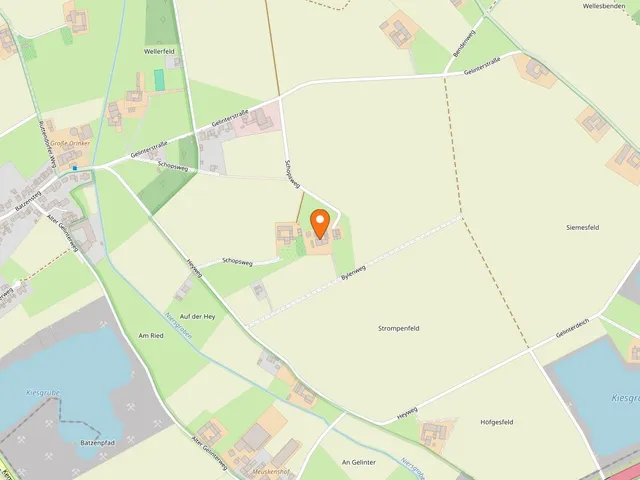
- Rüttendorfer Weg 7, 47669 Wachtendonk (hamlet of Rüttendorf, part of Gelinter)
- Origin
- vow made on 14 August 1708 during the Wachtendonk town fire
- Present building
- Neo-Gothic brick chapel of 1856/57, designed by Cologne architect Friedrich Schmidt
- Construction cost
- 1,500 thaler, funded by donations from local people
- Heritage status
- listed monument No. 132 of the municipality of Wachtendonk, registered 1987
- Use
- rosary prayer, May devotions and the rogation walks before Ascension
Age comparison
Age compared with other places in Wachtendonk.
History
On 14 August 1708 a major fire ravaged Wachtendonk, destroying almost one hundred homes. In this plight Caspar Lauwart and Elisabeth van Kempen, who lived in the "Haus Püllen" on the Alter Markt, vowed to donate a considerable sum for religious purposes should their property be spared. The house survived unharmed and still stands today. In 1716 the couple additionally had an altar erected in honour of the Holy Cross, and around the same time a wayside shrine was built at Rüttendorf.
The first chapel was a timber-framed structure with clay plaster. After some 150 years the weather had damaged it so badly that it was pulled down. In 1856/57 a complete new building followed, a Neo-Gothic brick chapel designed by the Cologne architect Friedrich Schmidt. Its 1,500 thaler cost was raised through donations from the population. The base of the altar still comes from the earlier building, while the upper part was newly acquired. A sandstone tablet set above the portal recalls that the chapel was rebuilt in 1856 in honour of the Seven Sorrows of the Virgin Mary.
Architecture and Furnishings
The slender building is crowned by a bell turret as a roof rider; the bell is still rung by hand today. Inside, sacred and rustic objects sit side by side. At its centre stands the altar with a depiction of Jesus in the arms of Mary, a Pietà motif. On the left wall hangs a handmade wooden sign by Wilhelm Hilkmann bearing the words "Thank God and be content"; he also made the wooden cross of the crucifix, while the earlier cross lies hidden within the altar. Opposite, a wooden panel bears the plea "Bless fruit and farmland. Guard against water, flood and fire" – a nod to the surrounding farming country. To the left of the entrance is a six-stanza poem by the local poet Heinrich Taxen, in which the chapel offers a friendly greeting to all who pass by; his sister Mina Taxen donated the wood for a new door. According to an unconfirmed local tradition, sacks of grain are said to have been hidden beneath the roof during the war years.
Customs and Use Today
In 1986/87 the chapel was thoroughly renovated – funded and carried out by the residents of the Gelinter hamlet themselves; a further restoration followed in 2017. To this day it remains in regular use: for the rosary prayer of the United St. Sebastianus and St. Michael's Brotherhood of Gelinter, for May devotions and on the rogation days before Ascension. Since 1987 it has been protected as listed monument No. 132 of the municipality of Wachtendonk.
Map
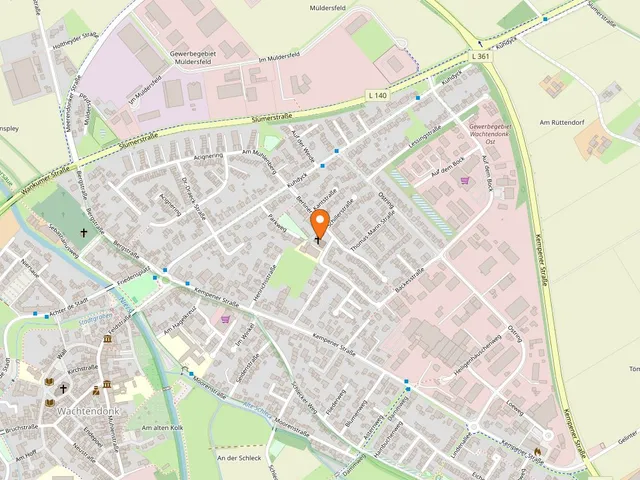
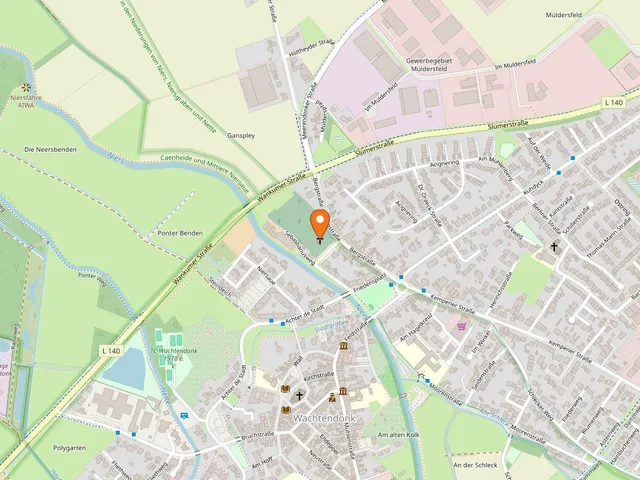
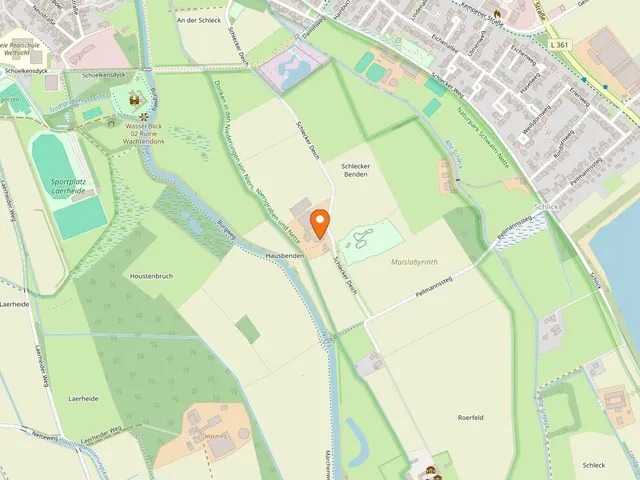
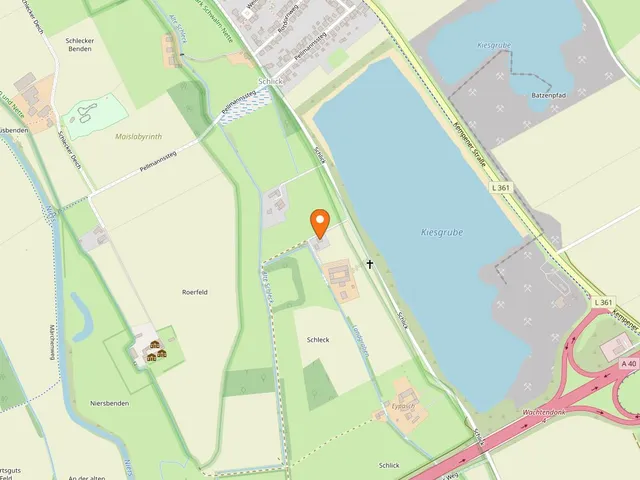
Blue dots: other places nearby — tap to explore.
Address
Rüttendorfer Weg 7
47669 Wachtendonk
You might also like — related or nearby
Comments
- Loading comments…
Sources & links
- Official website
- Official website (retrieved 2026-07-04)
- Wikipedia (retrieved 2026-07-04)
Auto-generated, last verified: 2026-07-11
How this page is made
This page draws on open sources — Wikipedia, Wikidata, official websites and the city’s open data. Every statement is checked against the sources linked here, and pages are refreshed regularly.
Spotted a mistake anyway? Tell us below — we read every submission.